Speedo Express Mobile
Drivers work from their phones, so the platform needed to be an app rather than a browser tab. We shipped two separate Android apps — Speedo Express for customers and Speedo Driver for drivers — both packaged from the same Next.js codebase that powers the web platform. Both are in daily use across the fleet, and the customer app is in review on Google Play.
The challenge
A second and third native codebase would have tripled the cost of every feature and let the apps drift out of sync with the web product. But a plain web wrapper cannot do the things delivery actually needs: background location, push notifications, and a camera for proof of delivery.
What we built
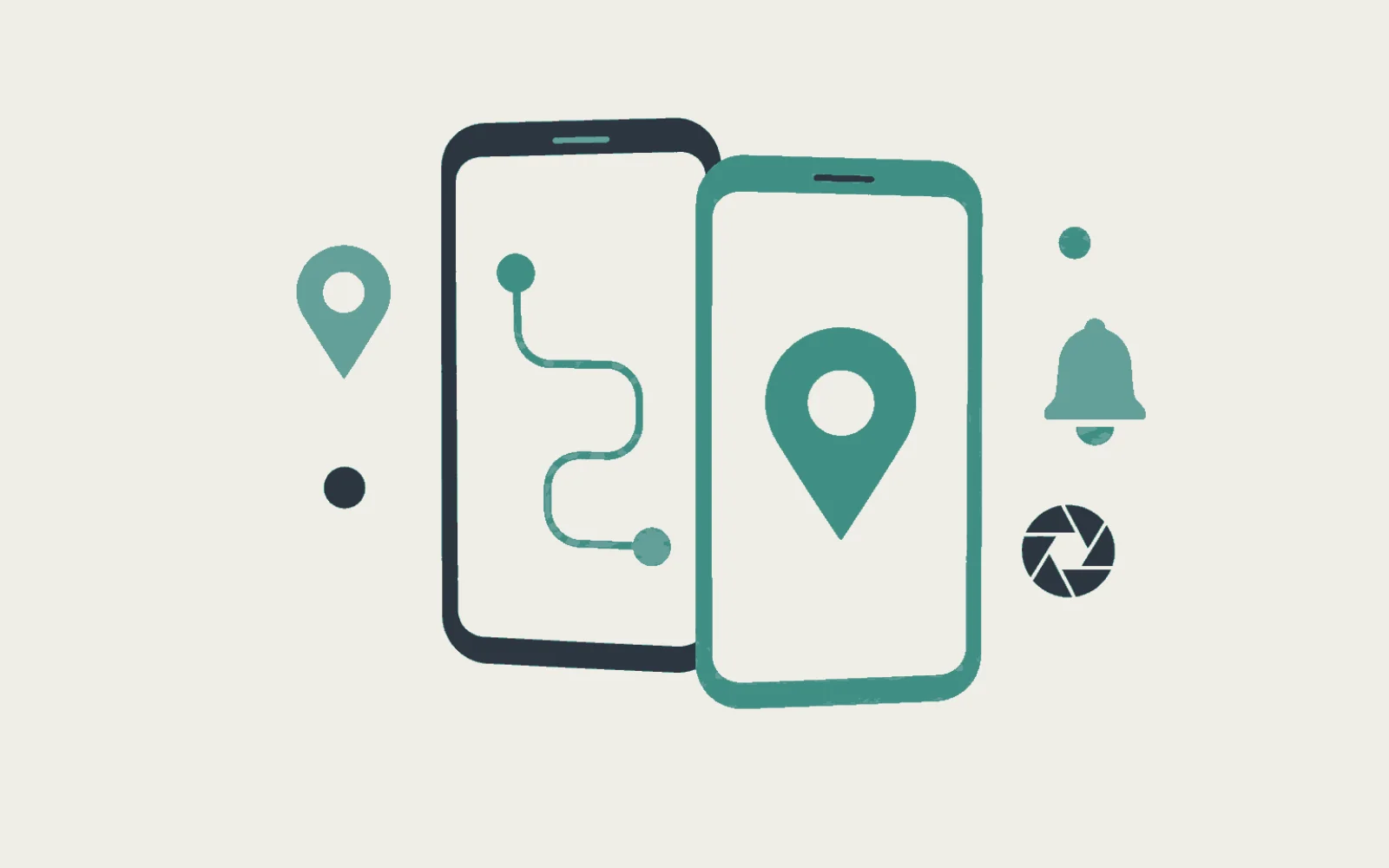
We packaged the existing app with Capacitor, so one codebase ships to web and to both Android apps, and reached for native capability only where it earns its place — geolocation, push and local notifications, camera, haptics, and keep-awake for drivers on a long run. Each app has its own identity and release track.
Highlights
- Two distinct Android apps, both in daily use across the fleet
- Native geolocation, push notifications, and camera for proof of delivery
- Keep-awake and text-to-speech built for drivers working hands-free
- Every web feature reaches both apps without a separate port
- Customer app submitted to Google Play and in review
Want something like this for your business?
Speak directly with the founder about your workflow, bottleneck, or product idea.